
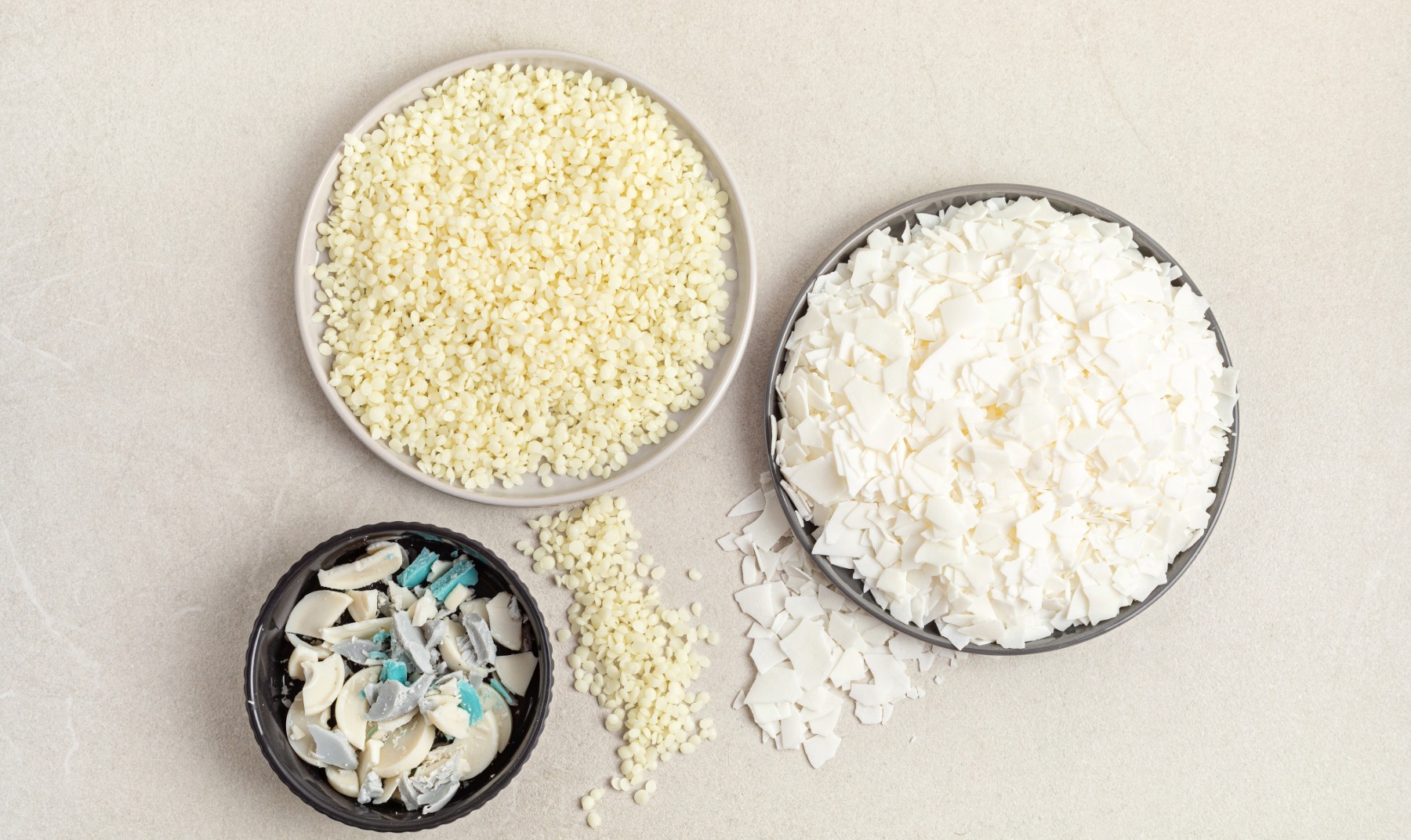
When selecting the perfect candle to light up your living space, it is easy to focus entirely on the scent and the design of the vessel. However, the raw material of the wax itself is the single most important factor determining how clean, how long, and how safely your candle will burn.
If you are trying to curate a clean, toxin-free home, you have likely run into the ultimate battle of natural versus traditional materials: beeswax vs paraffin.
To help you choose the healthiest candle wax for your daily routine, let us explore the science, emissions, and performance of these two popular candle bases.
The Breakdown: Beeswax vs. Paraffin
At a molecular level, beeswax and paraffin could not be more different. Beeswax is a natural, biological substance created by living organisms, while paraffin is a highly processed petroleum byproduct.
Here is how they compare across key categories:
| Feature | Beeswax | Paraffin Wax |
| Source Material | Natural honeybee secretions | Petroleum oil refining byproduct |
| Scent Profile | Naturally honey-sweet | Synthetic fragrance carrier |
| Melting Point | High (Approx. 145°F / 63°C) | Low to Medium (120°F / 49°C) |
| Burn Cleanliness | Excellent (Emits negative ions) | Variable (Prone to carbon soot) |
| Eco-Friendliness | 100% Biodegradable & Renewable | Non-renewable fossil fuel |
1. Toxicity & Air Quality: Finding the Healthiest Candle Wax
Indoor air quality is the primary reason wellness enthusiasts seek out the healthiest candle wax.
- The Paraffin Profile: Paraffin is derived from the crude oil refining process—the sludge left over after refining gasoline and asphalt. While premium, food-grade paraffin is highly refined and perfectly safe when blended in high-quality candles, burning low-grade, cheap paraffin candles can release petrochemical byproducts, including toluene and benzene, into your immediate breathing space.
- The Beeswax Profile: Beeswax is completely non-toxic and minimally processed. It is simply melted down from honeycombs and filtered. In fact, pure beeswax is widely considered the absolute healthiest option for allergy and asthma sufferers because it is a natural air purifier. As beeswax burns, it releases negative ions. These ions attach to positively charged airborne pollutants (like dust, pet dander, and odors), causing them to drop harmless to the floor rather than float in the air you breathe.
2. Burn Time and Flame Temperature
A candle’s melting point dictates how fast it burns through its fuel.
- Paraffin Wax: Paraffin has a relatively low melting point, which means it liquefies quickly and burns away rapidly. You will go through a paraffin candle much faster than a natural wax equivalent.
- Beeswax: Beeswax has the highest melting point of any candle wax on the market. It burns much hotter, slower, and brighter than paraffin. A pure beeswax candle can easily last up to twice as long as a paraffin candle of the exact same size, offering incredible longevity.
3. Scent Throw and Aromatherapy
If you love highly complex, room-filling perfumed scents, the comparison takes an interesting turn.
- Paraffin Wax: Because paraffin is highly stable and molecularly accommodating, it is the absolute champion of carrying synthetic fragrance oils. It releases scent efficiently, filling large spaces with ease.
- Beeswax: Because beeswax is naturally dense and carries its own sweet, honey-like aroma, it does not easily absorb or throw delicate added fragrances. Beeswax is best enjoyed in its natural, unscented state, or gently blended with robust, pure essential oils.
Pros & Cons Table: Beeswax vs. Paraffin
| Wax Type | Pros | Cons |
| Beeswax | • Emits negative ions to purify indoor air. • Exceptionally long, bright, and slow burn. • 100% natural, renewable, and biodegradable. | • High raw material cost makes candles expensive. • Poor scent carrier; limited fragrance options. • High melting point makes it tricky to pool evenly. |
| Paraffin | • Unmatched hot and cold scent throw. • Excellent, smooth visual appearance. • Highly cost-effective and easy to wick. | • Derived from non-renewable petroleum resources. • Prone to releasing black soot when un-trimmed. • Fast burn rate means shorter candle life. |
The Verdict
When it comes to choosing the healthiest candle wax to burn around pets, children, and those with sensitive respiratory systems, beeswax is the undisputed champion. It purifies the air, burns with a beautiful golden light, and lasts incredibly long.
However, if you want a clean-burning candle that still fills your home with highly complex luxury fragrances, a balanced approach is key.
🔗 Related Reading: Interested in other sustainable plant-based waxes? Check out our comparison on [Coconut Wax vs. Soy Wax] or read our guide to the [benefits of wood wicks] to optimize your clean burn.