By understanding the mechanics of "olfactory influence," you can move beyond simple fragrance and begin using scent as a functional tool for mental wellness and productivity.
Fragrance Psychology: How Candle Scents Influence Mood, Memory, and Emotion
Fragrance psychology is the scientific study of how aromatic compounds impact human behavior, emotional regulation, and cognitive function. While we often discuss candle scent meanings through the lens of home decor or lifestyle trends, the biological reality is far more profound. Every time you inhale the scent of a burning candle, you are engaging in a complex neurological dialogue that can alter your heart rate, shift your hormonal balance, and even change the way you perceive a physical space.
By understanding the mechanics of “olfactory influence,” you can move beyond simple fragrance and begin using scent as a functional tool for mental wellness and productivity.
The Biology of Breath: How Smell Connects to Memory
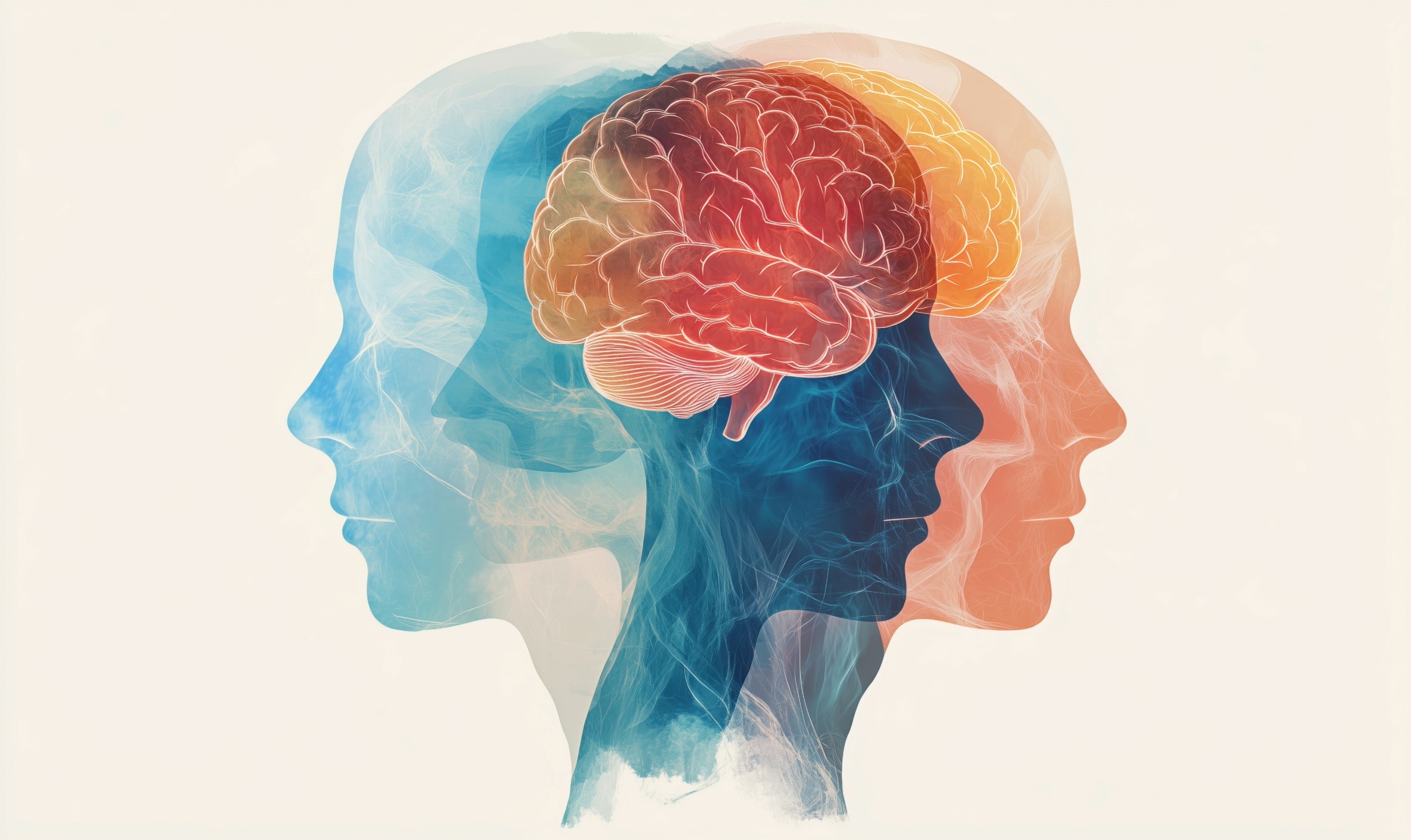
Most of our senses—sight, hearing, and touch—must pass through the “relay station” of the brain, known as the thalamus, before being processed. The sense of smell is the radical exception. Olfactory signals have a direct, unmediated path to the limbic system, which is the ancient seat of emotion and long-term memory.
The “Proustian Moment”
You may have experienced a “Proustian Moment”—a sudden, intense flash of memory triggered by a scent. This occurs because the olfactory bulb is located immediately adjacent to the hippocampus (responsible for associative memory) and the amygdala (responsible for emotional processing).
Because of this anatomical proximity, a specific candle scent can evoke the feeling of a childhood summer or the presence of a loved one more vividly than a photograph or a recording ever could. When you choose a signature scent for your home, you aren’t just decorating; you are creating “memory anchors” for everyone who enters.
The Neurochemistry of Aromatics
Fragrance psychology isn’t just about “pleasant” smells; it’s about the chemical interactions between essential oils and the brain. Different fragrance families trigger different neurochemical responses:
- Linalool (found in Lavender): Known to interact with the neurotransmitter GABA to quiet the central nervous system, effectively acting as a mild, natural sedative.
- Limonene (found in Citrus): Linked to an increase in serotonin production, which can help alleviate symptoms of lethargy and low mood.
- Terpenes (found in Cedar and Pine): Often associated with “forest bathing” benefits, these compounds can reduce sympathetic nerve activity (the “fight or flight” response) and lower cortisol levels.
Practical Ways to Use Scent in Your Home
Once you understand the science, you can begin to “engineer” your environment using fragrance. Here is how to apply fragrance psychology to your daily life:
1. Zone Your Home with Scent
Just as you use lighting to set a mood, use scent to define the purpose of a room. This is known as “Scent Zoning.”
- The Kitchen & Entryway: Use energizing, “Fresh” scents like citrus or ginger. These signal activity, cleanliness, and a welcoming, high-energy environment.
- The Home Office: Look for rosemary, peppermint, or eucalyptus. These notes are proven to increase “beta waves” in the brain, which are associated with alertness and analytical thinking.
- The Bedroom: Utilize grounding [Cedar Lavender] or warm amber. These scents signal to the brain that the “active” day is over and it is safe to begin the transition into sleep architecture.
2. Create Scent Rituals
The brain loves patterns. You can use a specific candle to “bracket” your day. If you work from home, lighting a specific “Productivity” candle at 9:00 AM and blowing it out at 5:00 PM creates a psychological boundary. Similarly, lighting a “Wind-Down” candle during your evening routine tells your nervous system to begin dropping its guard, making it easier to combat daily stress.
3. Combat Decision Fatigue
In a world of infinite choices, having a “signature” scent for specific moods reduces the mental load of decision-making. By curating a small, intentional library of scents, you automate your emotional regulation.
Explore the Full Scent System
Fragrance is a deep subject with many layers. To continue building your “sensory toolkit,” explore our comprehensive guides:
- [Candle Scent Meanings]: A complete breakdown of every major fragrance family and what they reveal about your personality.
- [Best Scents for Anxiety]: Targeted aromatherapy recommendations for calming a racing mind and grounding the body.
- [Productivity Scents]: The science of “scent-loading” for better focus, memory retention, and creative output.
By mastering fragrance psychology, you stop being a passive observer of your environment and become the architect of your own emotional state. Turn your home into a sanctuary that doesn’t just look good, but feels right.