
There is nothing quite like the warm, flickering glow of a candle to instantly transform the atmosphere of a room. Welcome to your ultimate candle wax guide, designed to help you understand how to choose and care for the candles in your space. Whether you use them to unwind after a long day, set a cozy mood for a dinner party, or infuse your home with a signature seasonal scent, candles are a staple of modern home comfort.
However, not all candles are created equal. Beneath the beautiful packaging and enticing fragrance profiles lies a complex world of craftsmanship. The specific blend of waxes, the material of the wick, and the quality of the fragrance oils all dictate how a candle burns, how long it lasts, and how beautifully it disperses scent.
Understanding the components of a well-made candle allows you to make informed decisions. This comprehensive guide will demystify the science of clean burning candles, break down the characteristics of different wax types, explore the mechanics of cotton versus wood wicks, and empower you to choose the best candles for your home.
SECTION 1 — Candle Science Basics
To understand what makes a candle burn beautifully, we first need to understand how a candle works. A candle is essentially a miniature, self-fueling combustion engine.
When you light the wick, the heat of the flame melts the wax nearby. This liquid wax is drawn up the wick through capillary action. Once the liquid wax reaches the flame, the intense heat vaporizes it, turning it into a gas. This gas reacts with oxygen to sustain the flame, producing light, heat, water vapor, and—most importantly—the fragrance throw.
If this combustion process is balanced correctly, the candle burns efficiently and cleanly.
What Makes a Candle “Clean Burning”?
The term clean burning candles refers to a candle that has been formulated to undergo near-complete, efficient combustion. When burned properly in a draft-free environment, a clean-burning candle should:
- Burn evenly without excessive flickering.
- Produce minimal to no soot when the wick is trimmed correctly.
- Use high-quality, stable ingredients designed for indoor use.
- Feature wicks free from heavy metal cores (like lead or zinc).
- Use premium fragrance oils formulated to meet strict safety standards.
🔗 Related Reading: For a deeper dive into how to create the ultimate clean-burning environment in your space, check out our companion article:What Is a Clean Burning Candle?
The Anatomy of a High-Quality Candle
When selecting non-toxic candles and healthy candles for your home, look for products where every component has been carefully selected to work in harmony:
- The Wax Base: A thoughtfully formulated wax base. Many luxury candles utilize custom wax blends to capture the best qualities of different ingredients.
- The Wick: A high-quality wick made of organic cotton, paper, or sustainably sourced wood, ensuring a reliable burn without metal cores.
- The Fragrance: Premium, phthalate-free fragrance oils or natural essential oils that disperse cleanly without being overwhelming.
SECTION 2 — The Great Wax Debate: Candle Wax Comparison
The wax is the body and fuel of your candle. It determines how long the candle will burn, how cleanly it will behave, and how effectively it will disperse scent throughout your room (known in the industry as “scent throw”).
Let us dive into an honest candle wax comparison to find the best candle wax for home use.
Reusable Candle Wax Comparison Chart
| Feature | Clean Burning | Soot Production | Sustainability | Scent Throw |
| Soy-Paraffin Blend | Yes | Low | Moderate to High | Strong |
| Beeswax | Excellent | Very Low | Moderate | Light |
| Coconut Wax | Excellent | Low | High | Strong |
Understanding Wax Blends: The Best of Both Worlds
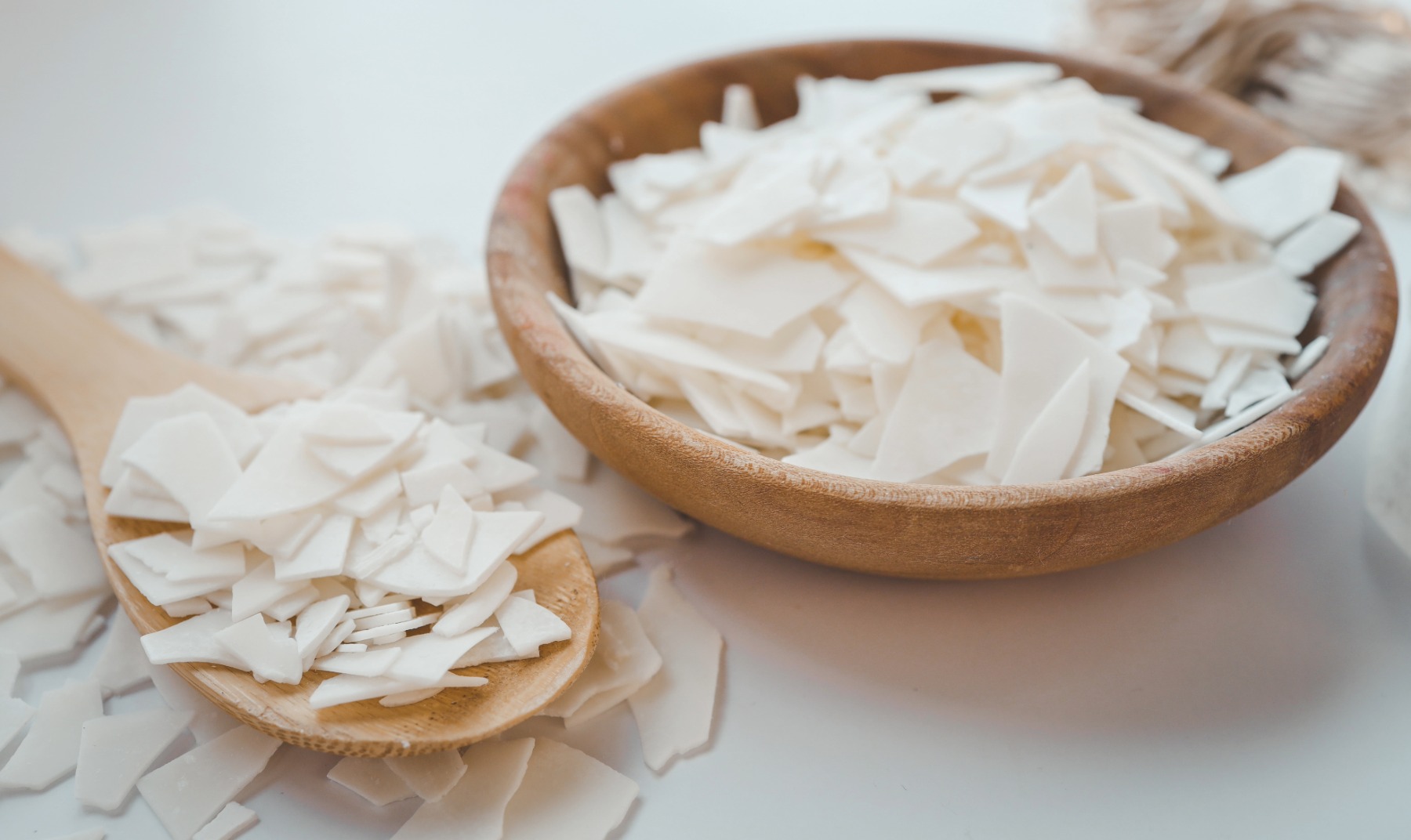
In the candle industry, there is a common debate surrounding wax types. However, experienced candle makers know that relying on a single wax type can sometimes limit a candle’s performance. That is why many premium home fragrance brands utilize a hybrid blend of soy and paraffin waxes.
A soy-paraffin hybrid blend is engineered to harness the specific strengths of both materials:
- The Power of Paraffin: Paraffin is highly celebrated in the luxury candle world for its unmatched ability to hold and throw fragrance. It delivers an outstanding “cold throw” (the scent of the candle when unlit) and “hot throw” (the scent when burning), filling a room quickly and evenly.
- The Balance of Soy: Soy wax, derived from natural soybeans, is known for its slow, cool burn. It tempers the melting point of the candle, extending the overall burn time and providing a smooth, steady flame.
By combining the two, a hybrid soy-paraffin candle offers an incredibly clean, long-lasting burn paired with the rich, robust fragrance throw that single-wax candles often struggle to achieve.
Coconut Wax
Another popular choice in the luxury market is coconut wax, made from cold-pressed coconut meat.
- The Pros: Coconut wax has a very creamy appearance and resets to a flat, silky surface after burning. It offers a great scent throw and burns cleanly.
- The Cons: Because it has a very low melting point, coconut wax is highly susceptible to melting in warm climates during transit, and it is typically one of the most expensive raw materials on the market.
Beeswax
Beeswax is humanity’s oldest candle fuel, naturally secreted by honeybees.
- The Pros: Beeswax has an incredibly high melting point, resulting in a very long, slow burn and a warm, bright amber glow. It carries a subtle, natural honey-sweet aroma on its own.
- The Cons: Because of its dense nature, beeswax does not hold added fragrance oils well. If you love complex, highly scented candles, pure beeswax is generally not the ideal choice. It is also not vegan-friendly.
SECTION 3 — The Wick Matters: Wood Wicks vs. Cotton Wicks
You can have a perfect wax blend, but the wick serves as the delivery system. The wick must be carefully matched to the wax to ensure a proper burn.
  COTTON WICKS                             WOOD WICKS
  - Traditional, reliable flame            - Cozy, crackling fireplace sound
  - Easy to light and relight              - Wider, horizontal heat profile
  - Classic aesthetic                      - Burns flat with minimal maintenance
Always ensure your cotton-wick candles utilize wicks labeled as 100% organic cotton, paper-core, or hemp-core, which are entirely free from lead or zinc.
If you are looking for a unique, modern, and multisensory burn experience, wood wicks offer a distinct alternative.
The Benefits of Wood Wicks
Wood wicks are thin, flat strips of natural wood specifically cut for candle making. The benefits of wood wicks combine both performance and atmosphere:
- The Crackling Experience: Wood wicks contain organic moisture pockets. When lit, they create a distinct, soothing crackling sound reminiscent of a cozy, wood-burning fireplace.
- More Even Melt Pool: Wood wicks burn wider and lower than traditional cotton wicks. This horizontal flame profile heats the wax evenly across the surface, creating a full melt pool quickly and preventing “tunneling” (where wax is left wasted on the sides of the jar).
- Enhanced Scent Throw: Because the wide flame heats the wax efficiently, it creates a larger surface area of molten wax, allowing the fragrance to disperse rapidly throughout your space.
- Sustainably Sourced: High-quality wood wicks are typically sourced from FSC (Forest Stewardship Council) certified mills, making them an eco-friendly, biodegradable choice.
🔗 Related Reading: For a deeper dive into how to care for wood wicks, including how to trim them properly for a perfect burn, read our dedicated guide:The Ultimate Guide to Wood Wick Candles
SECTION 4 — Practical Tips for Clean Burning and Candle Care
The finest wax blend and wick can still produce soot if proper candle hygiene is not maintained. By following these essential rules, you can maximize the lifespan of your candles and ensure they burn as cleanly as possible.
Rule 1: The Golden First Burn
The first time you light a new candle is the most critical. Candle wax has a “memory.” When lighting a candle for the first time, let it burn until the pool of melted wax reaches all the way to the edges of the vessel.
If you extinguish it too early, the candle will establish a “memory ring.” On all future burns, the wax will refuse to melt past that ring, tunneling straight down the middle and leaving wasted wax behind.
Rule 2: Trim Your Wicks Before Every Burn
- For Cotton Wicks: Trim to 1/4 inch (approx. 6 mm). This keeps the flame at a manageable, stable height and prevents soot.
- For Wood Wicks: Trim to 1/8 inch to 3/16 inch (approx. 3 to 5 mm). Simply pinch off the burnt, black wood from the top of the wick with your fingers or a tissue before relighting. If a wood wick is left too long, it cannot draw the liquid wax up to fuel the flame, causing it to burn out.
Rule 3: Keep Candles Out of Drafts
Avoid burning candles near open windows, ceiling fans, or air registers. Drafts disturb the flame, causing it to flicker erratically. This disrupts the clean combustion process and can lead to unexpected soot.
Rule 4: Extinguish with Care
Blowing out a candle can produce a sudden billow of smoke. Instead, use a candle snuffer or a wick dipper to gently extinguish the flame, preserving the clean fragrance left behind in your room.
Conclusion: Finding the Perfect Balance
Choosing the right candle is about finding the perfect balance between clean performance and incredible sensory appeal.
When shopping for your next candle, look for thoughtfully designed products—like a premium soy-paraffin hybrid blend paired with a sustainably sourced wood wick—to enjoy the absolute best in burn time, clean performance, and rich, room-filling fragrance.