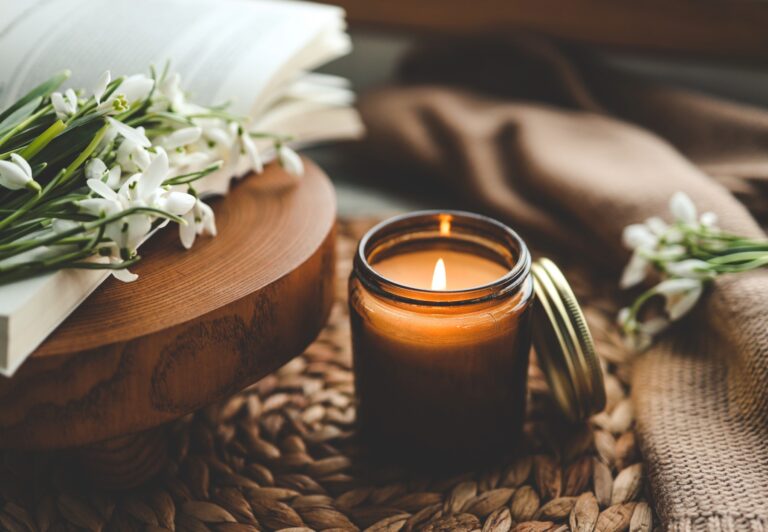
There is a distinct pleasure in the ritual of lighting a luxury candle. You strike the match, watch the flame take hold, and settle into your favorite chair, anticipating the wave of beautifully crafted fragrance that should soon wash over the room.
But occasionally, the experience falls short. You glance over at the flickering flame, yet the air remains stubbornly unchanged.
It is incredibly frustrating when you invest in a premium home fragrance experience, only to find your candle not smelling strong while burning. If you have ever wondered, “why doesn’t my candle smell when it’s burning?” you are not alone.
While it is easy to assume a faint aroma means a faulty product, scent performance is a delicate dance between physics, environment, and proper maintenance. Before you give up on your favorite ambient accent, let us explore the common reasons for weak candle scent throw and how a few simple adjustments can completely transform your fragrance experience.
Understanding Scent Throw: Cold vs. Hot
To understand why a candle might seem to lose its voice while burning, it helps to understand how fragrance travels. In the world of premium candle crafting, this is known as “throw.”
- Cold Throw: This is the aroma a candle emits while sitting unlit on your table or vanity. It is your initial impression of the fragrance when you lift the lid.
- Hot Throw: This is the fragrance the candle releases into the air specifically while it is burning.
An exceptional artisan candle brand story is always rooted in mastering the balance between both. When a candle burns, the flame heats the wax, turning it into a liquid pool. As this liquid wax evaporates, it releases the fragrance oils suspended within it into the room.
If that liquid melt pool is compromised, or if environmental factors interfere with the evaporation process, your hot throw will suffer—even if the candle smelled incredible in the box.
Common Reasons Your Candle Has Weak Scent
If your candle is burning but the room isn’t filling with fragrance, one of these common environmental or maintenance culprits is usually at play.
1. The Room is Too Large for the Candle Size
Fragrance molecules can only expand so far. If you place a single, standard-sized candle in a sprawling, open-concept living room with vaulted ceilings, the scent will dissipate before it ever reaches your nose. The candle is working hard, but the volume of air is simply too vast.
2. Poor Airflow or Excess Drafts
Air movement is a double-edged sword. While you need a little circulation to move fragrance through a home, drafts from open windows, ceiling fans, or HVAC vents will shear the scent molecules away from the flame and dilute them instantly. Conversely, a completely stagnant, closed-off room can sometimes prevent the fragrance from circulating effectively past the immediate radius of the jar.
3. The Candle Hasn’t Burned Long Enough
Patience is a virtue, especially in luxury candle care. If you only light your candle for fifteen or twenty minutes, you are not giving the wax enough time to heat up properly. Fragrance is released from the liquid pool of wax, not the flame itself. If only a tiny circle of wax around the wick has melted, you will receive only a tiny fraction of the intended aroma.
4. Fragrance Fatigue (Nose Blindness)
Human biology is incredibly adaptive. If you have been sitting in the same room with a burning candle for over an hour, your olfactory receptors may simply shut off the signal to your brain to prevent sensory overload. You might think the candle has stopped smelling, but a guest walking into your home would be greeted by a beautiful wave of fragrance.
5. Wick Maintenance Issues
An untrimmed wick can create a flame that burns too hot and too fast, quickly consuming the fragrance oils before they can properly disperse into the air. On the flip side, a wick trimmed too short will produce a tiny, drowning flame that cannot generate enough heat to create a proper melt pool.
6. An Incomplete First Burn
The very first time you light a new candle sets the tone for its entire lifespan. Wax has a “memory.” If you extinguish the candle before the liquid wax pool reaches the absolute outer edges of the vessel, you create a memory ring. On subsequent burns, the candle will “tunnel” straight down the center, leaving a wall of hard wax on the sides. This significantly reduces the surface area of the melt pool, permanently weakening your scent throw.
7. Incorrect Storage Conditions
Fragrance oils are sensitive to light and temperature. If a candle is left sitting in direct, harsh sunlight or near a radiator for weeks at a time, the essential oils and aromatic compounds near the surface can degrade or evaporate entirely, leading to a muted experience when you finally light it.
8. Competing Household Odors
Sometimes, your candle is fighting a losing battle against other dominant scents in the home. Cooking spices, pet areas, or strong household cleaners can easily mask or distort the delicate, layered notes of a luxury fragrance.
How to Make Candles Smell Stronger
Fortunately, most scent issues can be resolved with a few expert artisan candle tips. Use this quick checklist to maximize your candle’s aromatic potential.
[ Candle Care Checklist ]
 1. Trim the wick to 1/4 inch before every single burn.
 2. Allow the wax pool to reach the edge of the vessel on the first light.
 3. Keep the candle away from drafts, fans, and open windows.
 4. Match the candle size to the room size (or burn two in larger spaces).
 5. Burn for 2 to 4 hours max to maintain optimal oil integrity.
Allow for a Full Melt Pool
Never extinguish your candle until the entire top layer of wax has completely liquefied from edge to edge. This usually takes between two and three hours. Maximizing the surface area of your liquid wax ensures the maximum amount of fragrance is released into your space.
Practice Proper Wick Trimming
Before lighting your candle, always trim the wick to exactly 1/4 inch. This keeps the flame stable, prevents unsightly black soot, and ensures the wax burns at the precise temperature required for a clean, expressive scent throw.
Relocate to a Dedicated Space
If a fragrance feels lost, try moving the candle to a more intimate setting, such as a study, a bedroom, or an entryway. If you want to scent a larger living space, consider placing two candles of the same scent on opposite sides of the room to create a cohesive sensory zone.
Reset Your Olfactory Palette
If you suspect you are suffering from fragrance fatigue, step outside into the fresh air for five minutes or sniff some fresh coffee beans. When you return to the room, you will likely find the fragrance was there all along.
Why Luxury Artisan Candles Burn Differently
When exploring why candles lose scent, it is important to recognize that luxury home fragrance operates on a completely different philosophy than mass-produced alternatives.
Mass-market candles are often overloaded with synthetic boosters designed to create an aggressive, almost overwhelming hot throw immediately upon lighting. However, this often results in a chemical-heavy aroma that can cause headaches and burns through the wax incredibly quickly.
True luxury candle care values nuance, longevity, and purity. High-end collections focus deeply on the integrity of their candle ingredients and craftsmanship, utilizing carefully balanced wax blends and premium fragrance oils.
An artisan candle is designed to unfold like a fine perfume—with distinct top, middle, and base notes that reveal themselves gently over hours. The goal is to create a sophisticated, ambient atmosphere that complements your space rather than overpowering it.
Final Thoughts
A candle that seems quiet isn’t necessarily broken; it might just be asking for a change of scenery or a little extra care. By understanding how melt pools form, managing the air currents in your home, and respecting the meticulous design behind premium wicks and waxes, you can unlock the full, immersive potential of your home fragrance collection.
The next time you prepare to light your candle, treat it as a mindful ritual. Trim the wick, choose a peaceful, draft-free corner, and give the wax the time it needs to warm completely. The reward will be a beautifully scented home that perfectly reflects the art of slow, intentional living.
FAQ: Candle Fragrance Troubleshooting
Why did my candle smell great at first, but now it has no scent?
This is usually caused by either fragrance fatigue (your nose getting used to the aroma) or improper burning habits like “tunneling.” If the candle tunnels down the center, less wax is melting, which reduces the amount of fragrance being released into the air.
Can a draft completely ruin a candle’s scent throw?
Yes. Moving air from fans, air conditioners, or open windows can quickly disperse the fragrance molecules before they have a chance to settle and fill the room. It can also cause an uneven burn, which limits the size of your melt pool.
How long should I wait for a candle to start smelling?
You should typically allow a candle to burn for 45 to 60 minutes before evaluating the scent throw. It takes time for the wax to heat up and form a liquid pool, which is what actually releases the fragrance into your home.
Does the type of wax affect how strong the candle smells?
Absolutely. Different waxes release fragrance molecules at different rates. Artisan brands carefully select and test specific wax formulations to ensure they hold and release fragrance oils cleanly and evenly throughout the entire life of the candle.
How should I store my luxury candles to keep the scent strong?
Keep your candles stored in a cool, dark, and dry place away from direct sunlight, which can degrade the fragrance oils. Keeping the lid on the vessel when not in use also helps preserve the candle’s cold throw.