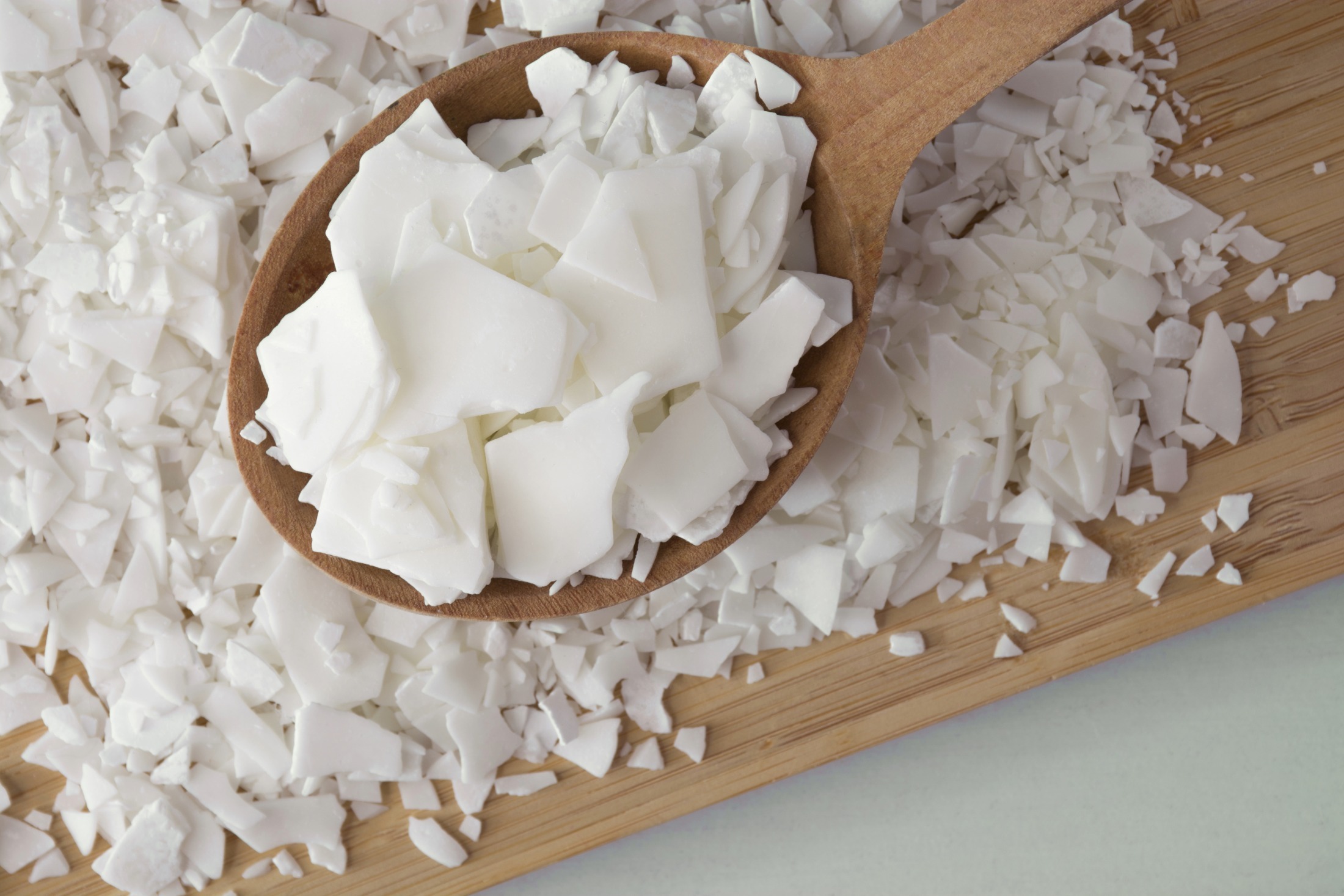
Discover the science of candle waxes. Learn why a custom soy-paraffin blend offers the ultimate clean, long-lasting burn with a room-filling scent throw.
When you browse the candle aisle of a big-box retailer, it’s easy to assume that wax is just wax. However, for the discerning enthusiast, the composition of that wax is the difference between a high-performance atmospheric tool and a source of household soot.
At Maxwell Thomas, we believe in transparency regarding what goes into your environment. To achieve the “Maxwell Thomas Standard,” we moved away from industry-standard single waxes and developed a premium soy-paraffin blend. Here is how the debate of soy wax vs paraffin shapes your home fragrance experience, and why a hybrid approach reigns supreme.
Soy vs. Paraffin: Head-to-Head Comparison
Before diving into the science, here is a quick look at how these two popular waxes stack up against each other across key performance metrics.
Feature
Soy Wax
Paraffin Wax
Maxwell Thomas Hybrid Blend
Scent Throw
Moderate (Subtle)
Excellent (Strong)
Excellent (Maximum Throw)
Burn Time
Very Long (Cool burn)
Short to Moderate
Long & Even
Soot Level
Extremely Low
Higher (Petroleum-based)
Minimal (With proper care)
Stability
Finicky (Frosting/Shrinkage)
Very Stable
Perfect, Smooth Tops
1. Toxicity
A major focal point in the paraffin vs soy candles debate is indoor air quality.
The Soy Profile: Soy wax is a natural, biodegradable material derived from soybeans. It is inherently non-toxic and burns clean.
The Paraffin Profile: Paraffin is a byproduct of petroleum refining. While highly refined, food-grade paraffin is safe for home use, cheap, low-grade paraffin candles can emit trace amounts of volatile organic compounds (VOCs) when burned.
The Hybrid Solution: By utilizing a soy-heavy base and incorporating only highly refined, premium-grade paraffin, you get the absolute safest profile of a clean burning candle without sacrificing performance.
2. Soot Production
If you’ve ever noticed a dark, streaky residue on the inside of your candle jar or a faint trail of black smoke rising from the flame, you’ve seen soot.
Cheap paraffin candles are notorious for soot production because petroleum-based fuels burn rapidly and inconsistently. Pure soy candles burn cooler and produce almost no soot. Our hybrid blend utilizes the cool-burning properties of soy to temper the flame, keeping your amber glass jars pristine and your walls clean.
3. Scent Throw
Scent throw is where the argument for soy candles better than paraffin often falls flat.
Cold Throw: How a candle smells unlit on your shelf.
Hot Throw: How effectively the fragrance fills a room when lit.
Pure soy is notoriously difficult to “scent.” Because of its dense molecular structure, it struggles to release fragrance molecules into the air. If you have ever burned a pure soy candle only to find it has barely any aroma, you have experienced this limitation. Paraffin, on the other hand, is the gold standard for throwing scent. By blending the two, our hybrid wax acts as the perfect carrier, allowing rich notes of Amber, Oudh, and Sandalwood to disperse beautifully.
4. Burn Time
Because soy wax has a lower melting point, it burns much slower and cooler than pure paraffin. A soy-based candle can easily outlast a pure paraffin candle of the same size by 30% to 50%. Our hybrid blend captures this longevity, giving you hours of clean, ambient light.
5. Sustainability
Soy wax is a renewable resource grown by farmers, making it incredibly eco-friendly. Paraffin relies on fossil fuels. To reduce environmental impact while maintaining a professional-grade scent throw, utilizing a soy-heavy hybrid blend is the most sustainable way to enjoy luxury home fragrance.
6. Price Comparison
Pure soy and other plant waxes like coconut are premium ingredients, which is why pure plant-wax candles often carry a steep price tag. Paraffin is highly cost-effective. A hybrid blend offers a middle ground, providing a luxury-tier burn profile at an accessible price point.
Pros & Cons: Soy vs. Paraffin
Wax Type
Pros
Cons
Soy Wax
• Derived from a 100% renewable, plant-based resource. • Cool, slow burn rate extends candle lifespan by 30% to 50%. • Naturally biodegradable and burns clean with minimal soot.
• Dense molecular structure results in a weaker hot scent throw. • Highly finicky to work with; prone to shrinkage and bumpy tops.
Paraffin Wax
• Industry gold standard for carrying and throwing complex fragrances. • Cures with a perfectly flat, smooth, and glassy surface aesthetic. • Highly stable shelf-life and excellent cold fragrance throw.
• Non-renewable resource derived from refined petroleum. • Higher burn temperature consumes the wax at a faster rate.
Maxwell Thomas Hybrid Blend
• The Best of Both Worlds: Combines the long, clean, cool burn of soy with the legendary scent-throwing power of premium paraffin. • Eliminates the visual defects of pure soy while reducing environmental reliance on pure fossil fuels.
• Requires precise, professional formulation to balance the soy-to-paraffin ratio perfectly.
Why the Maxwell Thomas Hybrid Blend Wins
We didn’t want you to have to choose between a clean house and a sophisticated fragrance. Our signature wax was engineered to solve the “Scent vs. Soot” dilemma.
The Soy Base: Provides a clean, stable, and long-lasting foundation. It ensures that your candle burns at a lower temperature, extending its life and preventing the jar from overheating.
The Premium Paraffin: We incorporate a small percentage of highly refined, food-grade paraffin. This acts as a “carrier” for our complex fragrance oils, ensuring that the scent reaches every corner of the room.
The Result: A candle that offers a superior hot throw without the “smoke-show” of a big-box candle. Pair this with the incredible benefits of wood wicks and you have the ultimate home fragrance experience.
In terms of burn time and soot production, soy candles generally perform cleaner and last longer than pure paraffin. However, paraffin candles offer a significantly stronger scent throw. A hybrid soy-paraffin blend offers the best of both worlds.
What is the healthiest candle wax to burn?
Unscented beeswax and pure coconut wax are often considered the cleanest raw waxes. However, a highly refined, phthalate-free soy-paraffin blend burned with a trimmed wood or cotton wick offers an exceptionally clean, non-toxic burn for daily home use. To learn more, compare the profiles of coconut wax and beeswax to find your perfect fit.
Why does my candle have a black ring of soot on the glass?
Soot is caused by incomplete combustion. This usually happens when the wick is left too long, or the candle is placed in a drafty area. Keeping your wicks trimmed to 1/8″ to 1/4″ will eliminate soot on almost any high-quality wax blend.
About the Author
Ron Dillon is a Chicago-based artisan candle maker, home fragrance writer, and founder of Maxwell Thomas Candle Co. — hand-pouring small-batch candles in Humboldt Park. He writes about masculine home fragrance, scent psychology, and the craft of intentional living at The Modern Manual. His candles ship nationwide and have been purchased as gifts for men who are impossible to shop for, corporate gifting, and discerning home environments that demand something more personal than a department store shelf can offer.
SHOP SMALL BATCH CANDLES
Every space deserves an identity. Discover the noticeable difference of highly concentrated, hand-poured luxury.
Browse Our Limited Run Small Batch Candles.
There’s a reason the moment someone lights a pumpkin candle, an entire room shifts. The air changes. Shoulders drop. Something loosens. This guide unpacks every dimension of what a pumpkin candle actually means — from the chemistry of its scent to its spiritual significance, emotional resonance, and exactly how to use it to its full potential.